You’ve got plans for an extension. The design is ready. Then someone mentions it, “There’s a sewer running through your garden.” That single detail can stop a project in its tracks. Across the UK, thousands of homeowners discover public sewers on their property, often late in the process. And here’s the reality: If you build over or near one without approval, you risk delays, failed inspections, or even being forced to undo the work. This guide from Greenway Associates brings together official Thames Water rules, real-world scenarios, and expert insights so you can move forward with clarity.
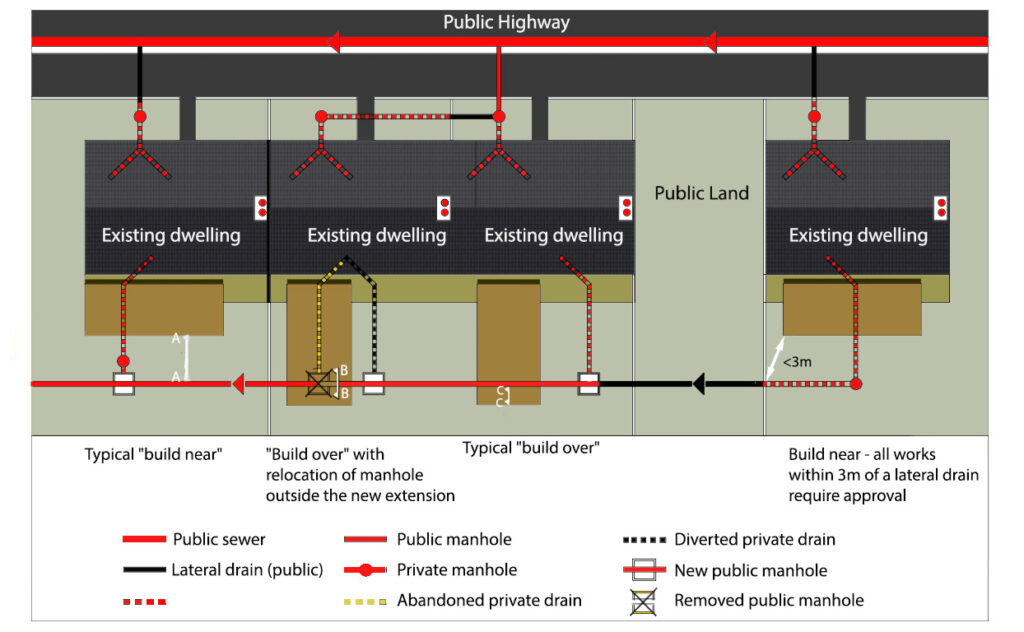
A Build Over Agreement (BOA) is formal consent from Thames Water allowing you to build:
– Over a public sewer
– Within 3 metres of a sewer
– Near a lateral drain
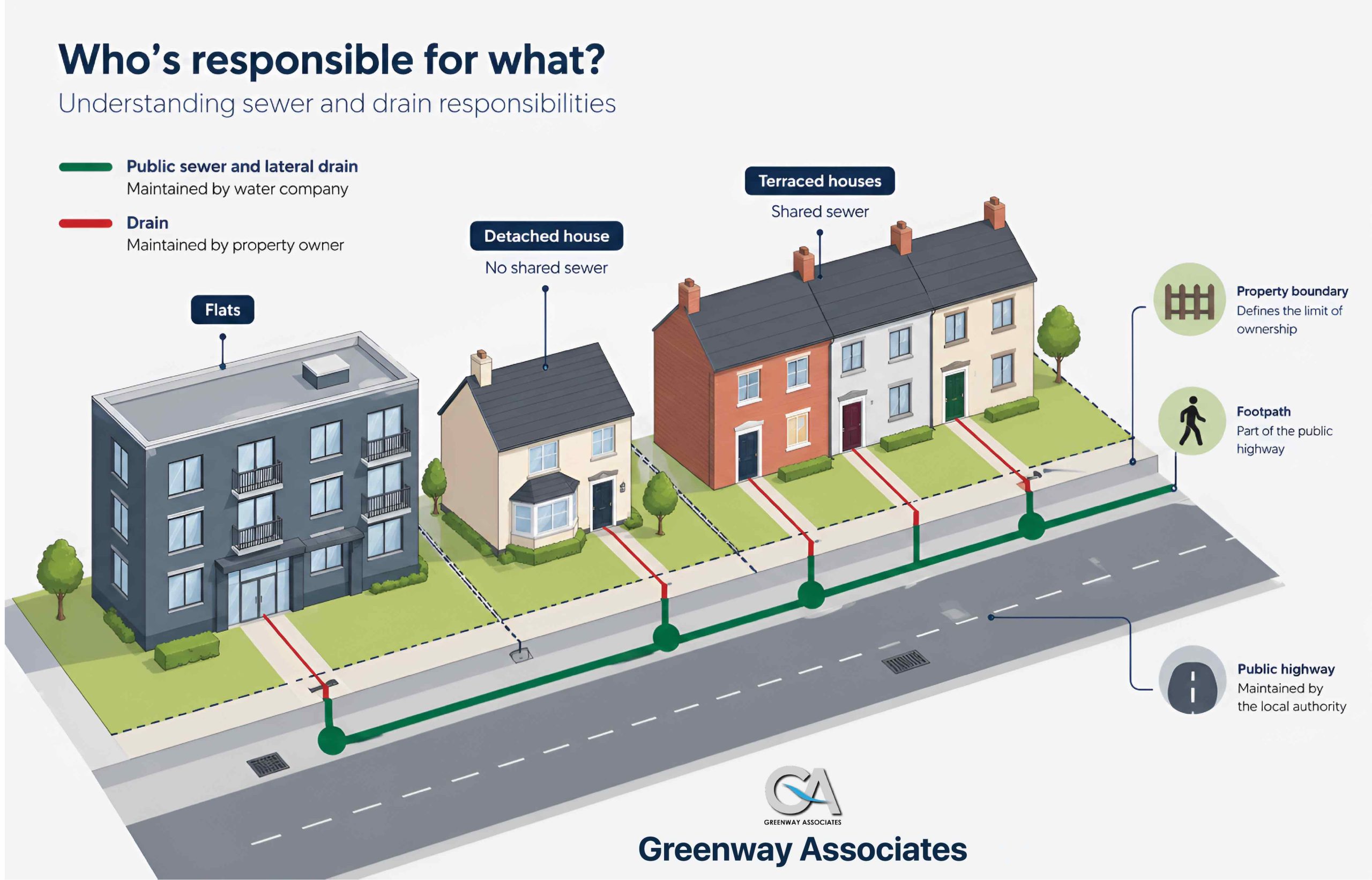
Since the transfer of private sewers in 2011, many pipes beneath UK homes have become public assets, meaning water companies now control what you can build near them.
In simple terms:
It’s a safeguard to ensure your build doesn’t damage critical infrastructure or restrict access for future maintenance.
Build Over Agreements are not just guidance, they are backed by legislation.
Key Legal Framework:
What this means for homeowners:
Even if the sewer is on your land, it is not under your control.
You’ll typically need a BOA if :
Important Modern Reality
Many homeowners only discover sewers:
Early drainage checks are essential to avoid redesigns and delays.
This is one of the most common misconceptions.
Planning Permission
You can have planning approval and still need a Build Over Agreement.
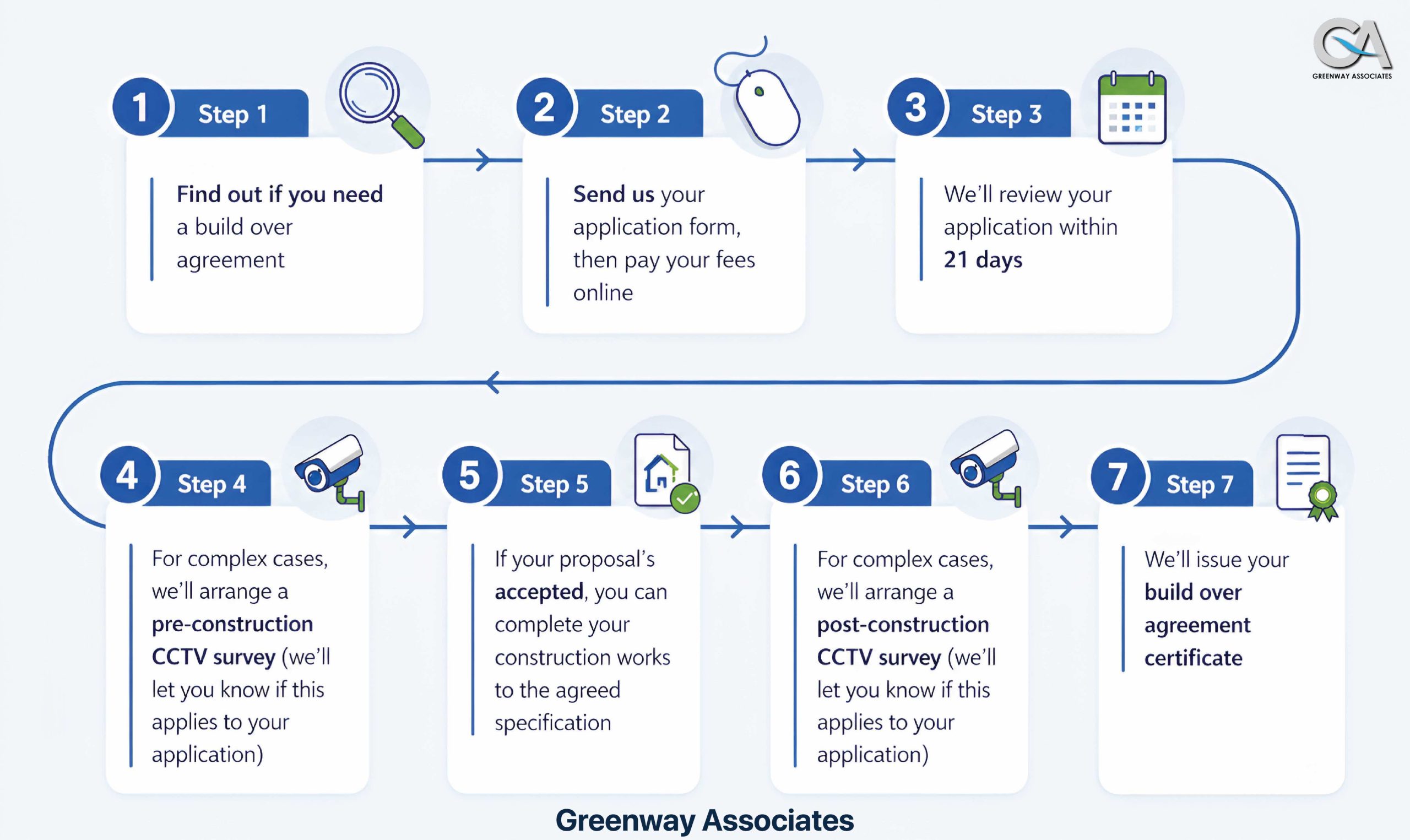
Step 1: Identify Sewer Location
Step 2: Prepare Accurate Construction Drawings
Include:
Pro Tip: Incomplete or unclear drawings are one of the most common causes of delays.
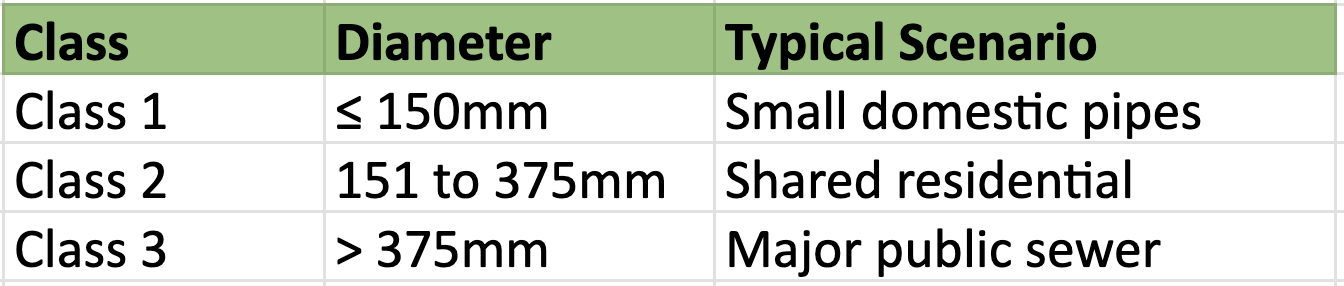
Step 3: Determine Sewer Class
Step 4: Submit Application
Step 5: Await Approval
This is where expert inputs becomes critical. We at Greenway Associates can assist you with this.
Common Requirements:
Requirements can vary depending on site conditions and Thames Water’s latest guidance.
Real Design Challenge
Most rear extensions sit exactly where sewers run.
Solutions may include:
In most cases:
Note: If a manhole sits within your build area, relocation is usually required.
Build Over Agreement Fees
Fees typically range from around £100 to £600+, depending on:
Latest info: Always check Thames Water for the latest charges, as these are updated periodically.
Additional Costs to Consider
Typical UK costs may include:
Buying a Property with No Agreement
Missing documentation can delay or impact property sales.
Retrospective Applications If you’ve already built:
Sewer Diversion vs Build Over
Sometimes building over is not feasible, and the sewer must be rerouted, which can significantly increase costs.
Application Refusal Common reasons include:
Do all extensions need a Build Over Agreement? No, only if near or over public sewers.
How do I check if there’s a sewer?
Can Thames Water refuse an application?
Yes, particularly if access or safety is compromised.
How long does approval take?
Typically 2–4 weeks, though complex cases may take longer.
What happens if I build without approval?
If you’ve discovered a sewer or manhole on your property, it’s important to address it early. At Greenway Associates, we help UK homeowners with:
Book your free consultation today and move your project forward with confidence.