Imagine walking up a stylish staircase to a bright, airy space that was once just an unused attic. This dream can become a reality with the right loft conversion. But did you know that in the UK, homeowners gain an average of 30% more living space with a loft conversion? That’s potentially an entire extra floor of your home waiting to be utilized! Whether you’re a growing family in need of extra bedrooms, a remote worker seeking the perfect home office, or simply want to boost your property’s value, understanding loft conversion types is crucial. Let’s explore the 8 main types of loft conversion and help you find the perfect match for your home.

Loft conversions have become increasingly popular among UK homeowners, offering a smart solution to expand living space without moving house. But with various types available, how do you choose the right one? Let’s dive into the world of loft conversions and explore your options.
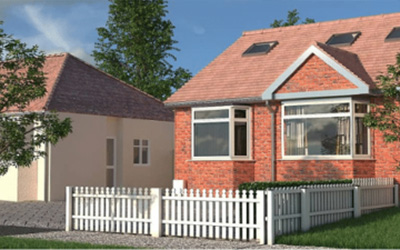
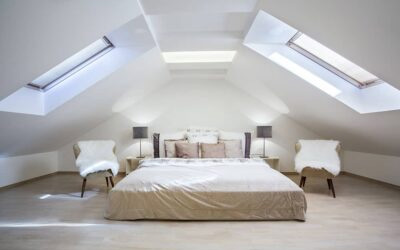
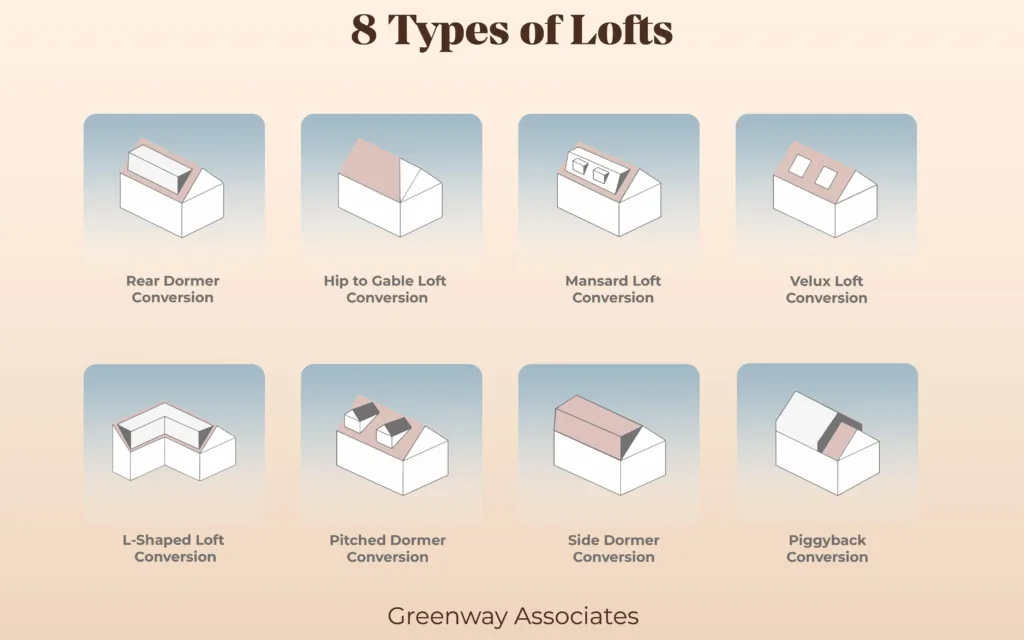
Velux conversions, also known as roof light conversions, are the simplest and most cost-effective option. They involve installing roof windows flush with the existing roofline, making them ideal for homes with ample headroom.
Pros:
Cons:
Dormer conversions are the most common type, extending vertically from the slope of the roof. They create additional floor space and headroom, making them versatile for various uses.
Pros:
Cons:
Hip to gable conversions are perfect for semi-detached or detached houses with a hipped roof. This type extends the hip end of a roof into a gable end, creating substantial additional space.
Pros:
Cons:
Mansard conversions involve changing the entire roof structure, creating a flat roof with a back wall sloping inwards at a 72-degree angle. They’re often found in urban areas and terraced houses.

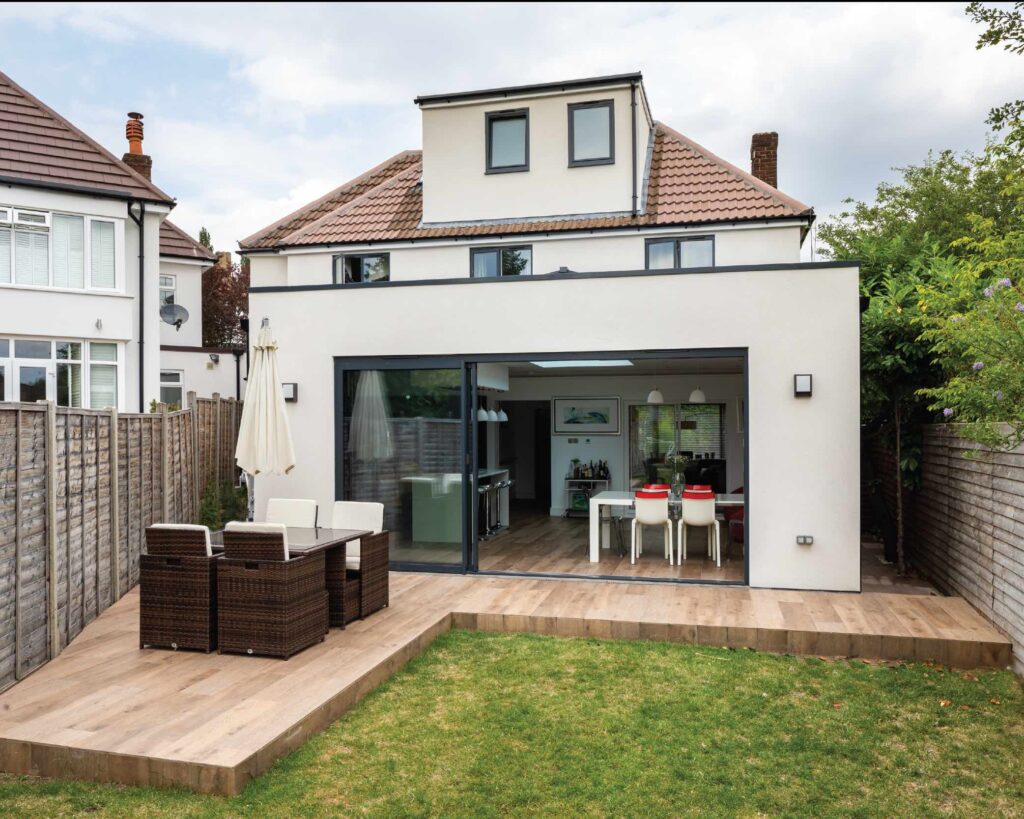
An elegant Mansard Loft Conversion
Pros:
Maximizes space in your loft
Suitable for most property types
Aesthetically pleasing
Cons:
Usually requires planning permission
More expensive due to extensive structural changes
L-shaped dormers are popular in Victorian and Edwardian properties. They combine a rear dormer with a smaller dormer over the property’s rear addition, creating an L-shape.
Pros:
Creates a significant amount of additional space
Ideal for period properties
Can often accommodate multiple rooms
Cons:
More complex and costly than standard dormers
May require planning permission
Piggyback conversions involve raising the existing roof to create more headroom. This is done by building up the perimeter walls and constructing a new roof pitched back from the front elevation.
Pros:
Significantly increases headroom
Can create space for multiple rooms
Ideal when the current roof space is limited
Cons:
Often requires planning permission
More expensive and time-consuming than other options
Side dormers extend from the slope of a roof, similar to rear dormers, but are positioned on the side of the property. They’re particularly useful for houses with limited rear roof space.
Pros:
Adds valuable space to the side of your property
Can be combined with rear dormers for maximum space
Often possible under permitted development
Cons:
Only suitable for certain property types
May impact the symmetry of semi-detached houses
Pitched dormers have a sloping roof instead of a flat one, making them more aesthetically pleasing. They’re often favored in conservation areas or for properties where maintaining the original character is important.
Pros:
More aesthetically pleasing than flat-roof dormers
Often preferred in conservation areas
Can add character to your home
Cons:
Provides less additional space than flat-roof dormers
Can be more expensive to construct
Choosing the right loft conversion depends on several factors:

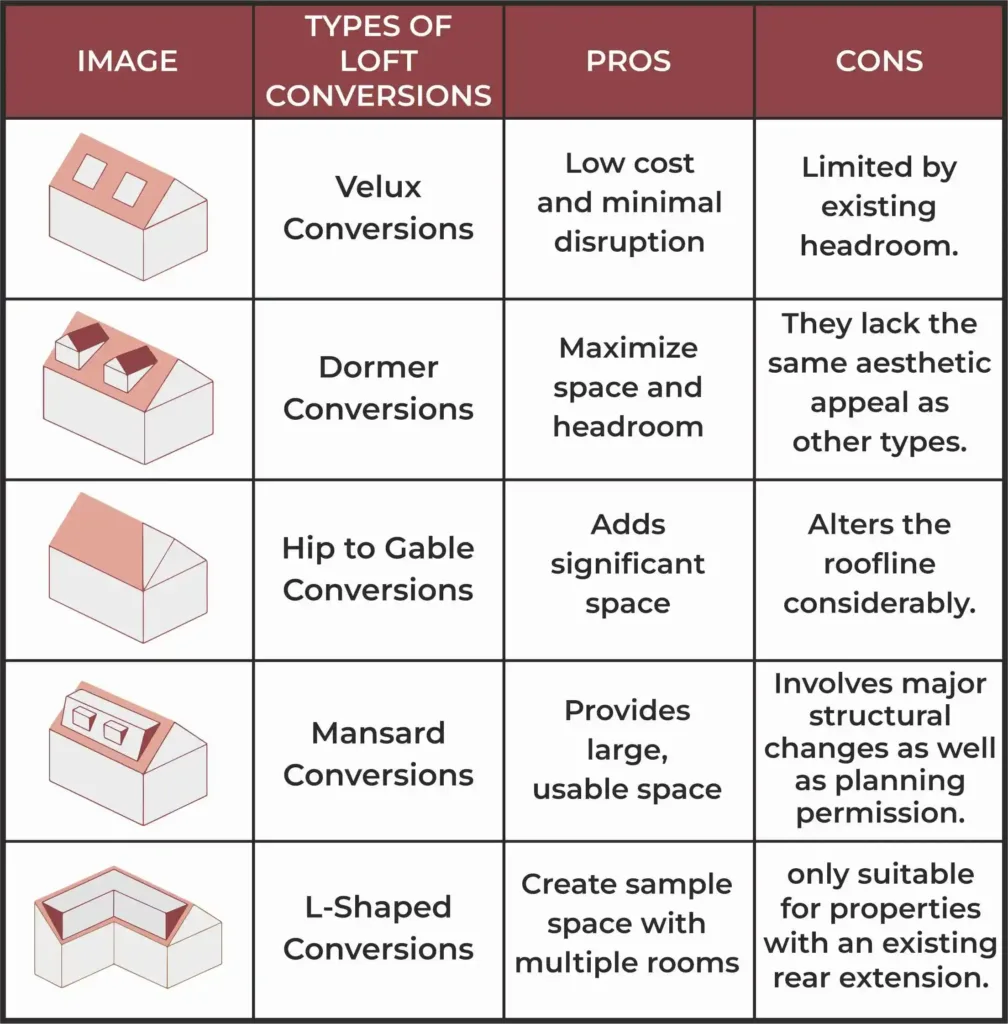
Pros and cons of loft conversion types
Consider consulting with a professional loft conversion specialist to determine the best option for your specific needs and property.
Loft conversions offer numerous advantages:
While many loft conversions fall under permitted development rights, some may require planning permission. Key considerations include:
Always check with your local planning authority before proceeding with your loft conversion project.
Ready to transform your loft? Here’s how to get started:
Remember, a well-executed loft conversion can not only provide valuable extra space but also significantly increase your property’s value.
So why wait? Start exploring your loft’s potential today with Greenway Associates and unlock a whole new dimension of your home!