Margaret from Hertfordshire had lived in her four-bedroom Victorian terrace for 45 years when she made a decision that shocked her family. At 72, she announced she was moving house.
“Everyone thought I’d lost my marbles,” she laughs now from her beautifully adapted bungalow.
“But it was the best decision I ever made.”
Margaret isn’t alone—recent data shows that 15% of people over 70 move house in the UK, with numbers rising steadily each year. If you’re contemplating this significant life change, you’re certainly not mad, and you’re definitely not alone.
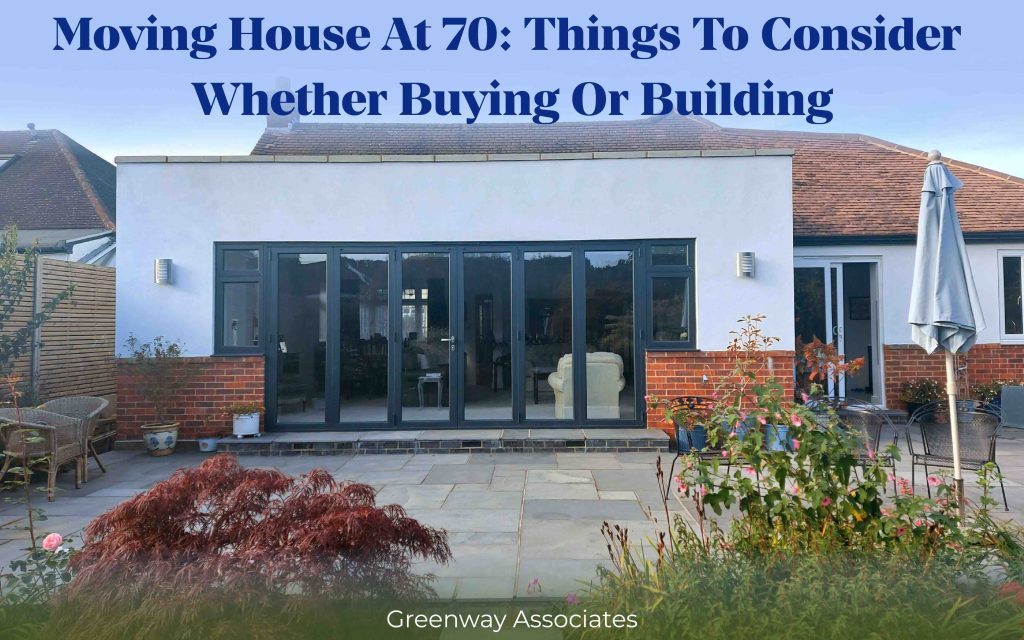
Moving House At 70 – Things To Consider Whether Buying Or Building
Moving house in later life isn’t about giving up—it’s about gaining freedom. Whether you’re drawn to that coastal cottage you’ve always dreamed of or want to be closer to grandchildren, there are compelling reasons why this could be your best decision yet.
Many people worry that moving house at 70 is too stressful or complicated. The reality? With proper planning and the right support, it can be surprisingly straightforward. Plus, you’ll have decades of life experience to draw upon, making you far better equipped to handle the process than you might think.
When you’re moving house at 70, accessibility isn’t just a nice-to-have—it’s a must-have. Creating easy-access accommodation for older people starts with understanding what features will serve you best both now and in the future.
Wide doorways (minimum 850mm) for potential mobility aid access
Level thresholds throughout the property
Accessible bathroom facilities with space for grab rails
Well-lit staircases with sturdy handrails on both sides
Ground-floor bedroom and bathroom options
Manageable garden size that won’t become overwhelming
Pro Tip: Even if you don’t need these features now, having them in place means your home can adapt as your needs change. It’s much easier to install a stairlift when you already have wide staircases with proper support structures.
Don’t overlook the bones of the building. Period properties often have narrow doorways and steep staircases that can be challenging to modify. Modern builds or recently renovated properties typically offer better accessibility from the outset.
Downsizing doesn’t mean downgrading. It’s about rightsizing your living space to match your current lifestyle whilst creating your dream forever home. The money saved on maintenance, utilities, and council tax can fund the luxuries that make your new house truly special.
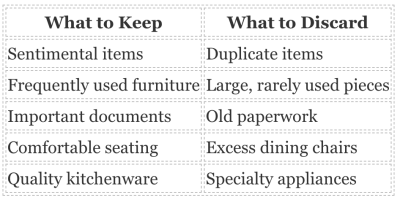
Moving at 70: What to keep vs what to discard
The key is being ruthless but thoughtful. That dining table that seats twelve might have served you well when hosting large family gatherings, but a smaller, more manageable piece could be perfect for your new lifestyle.
Your priorities at 70 are likely very different from when you bought your first home. Schools and nightlife matter less; healthcare, transport links, and community amenities matter more.
Remember, moving house at 70 in the UK means considering how locations will serve you as you age. That remote cottage might seem idyllic now, but will it still appeal when driving becomes more challenging?
Smart design can make a smaller space feel palatial whilst ensuring it remains practical and safe. When downsizing and designing accessible property design for retirees, every detail matters.
Nothing transforms a space quite like natural light. When you’re moving house at 70 and potentially downsizing, light becomes your best friend for creating the illusion of space and maintaining a positive atmosphere.
South-facing gardens and windows provide consistent light throughout the day. Skylights can dramatically open up smaller rooms, whilst bay windows offer additional space and character.
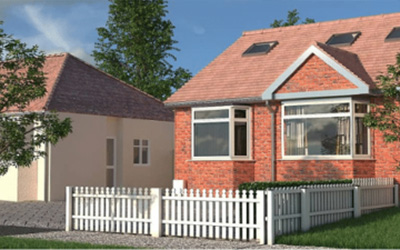
Traditional canted bay windows are particularly beneficial—they extend outward from the property, providing extra square footage that can accommodate a reading nook, storage, or simply make the room feel more spacious.
Open-plan design isn’t just trendy—it’s practical for accessible home design. Removing walls between kitchen, dining, and living areas creates a better flow for mobility aids whilst making smaller spaces feel much larger.
Sometimes, the perfect accessible home doesn’t exist—you need to create it. Building or extensively renovating might sound daunting, but it could be your route to the perfect forever home.
You wouldn’t climb Everest without a guide, and you shouldn’t navigate this significant life change without professional support. The right team can transform what seems overwhelming into an exciting adventure.
Moving house at 70 isn’t about admitting defeat—it’s about embracing a new chapter. Whether you’re downsizing to a charming bungalow, adapting a period property, or building from scratch, the right planning and professional support can create your perfect forever home.
The key is thinking beyond just the next few years. Your new home needs to serve you well into your 80s and beyond, adapting as your needs change whilst maintaining the comfort and independence you deserve.
Ready to take the next step? Don’t let fear or uncertainty hold you back from creating the home of your dreams. With proper planning and the right professional guidance, moving house at 70 can be the beginning of your best years yet.
Start your journey today. Contact our team at Greenway Associates to discuss how we can help transform your vision of the perfect accessible home into reality. From initial planning through to completion, we’re here to ensure your forever home is everything you’ve dreamed of and more.